
Physics majors build a broad foundation in the subject and can conduct research in biophysics, condensed matter and materials physics, and astrophysics. Most of our undergraduate students have worked in our research laboratories, and many are co-authors on publications.
MAJORS
Our Degree Offerings
Our Concentrations
Our concentrations in Computational Physics and Quantum Information Sciences allow students to add specializations to any of our bachelor’s degrees.
Students may get a concentration in Computational Physics by taking the following courses:
Our Minor
The physics minor is for students who wish to obtain some experience in physics, beyond the two introductory courses.
Students may minor in physics by completing 17 hours in physics. These 17 hours must include the following courses:
- 113 or 123 (General Physics I)
- 114 or 124 (General Physics II)
- 215 (Elementary Modern Physics)
- 262 (Mechanics)
MTH 205 (Linear Algebra and Differential Equations) or MTH 251 (Differential Equations) is a prerequisite for PHY 262, and MTH 113 (Multivariable Calculus) is a co-requisite for PHY 262. MTH 121 and 251 may be substituted for MTH 205 for all purposes. MTH 251 alone can substitute for MTH 205 for the MTH requirement for the minor, but not for specific course pre- or co-requirements, unless already specified in the course description. Students may substitute CHM 341 in place of PHY 341 as an elective and those hours will count towards the 17 hours in physics.
SPECIAL TRACKS
Pursuing medicine, law, or business?
The 25 hours required for the BA degree leaves ample elective hours that can be used to take courses required or recommended for admission to the professional school of choice.
With careful planning, students can complete a BS degree in physics, as well as the requirements for medical school.
Pre-health professions students should consider the BS Biophysics Major. Students who are following the pre-health professions curriculum would complete the non-physics requirements for this degree. Visit the Health Professions Program for more information. Dr. Salsbury is the College’s pre-health advisor for freshmen, first-generation college students and medical physics.

Undergraduate Program Advisers
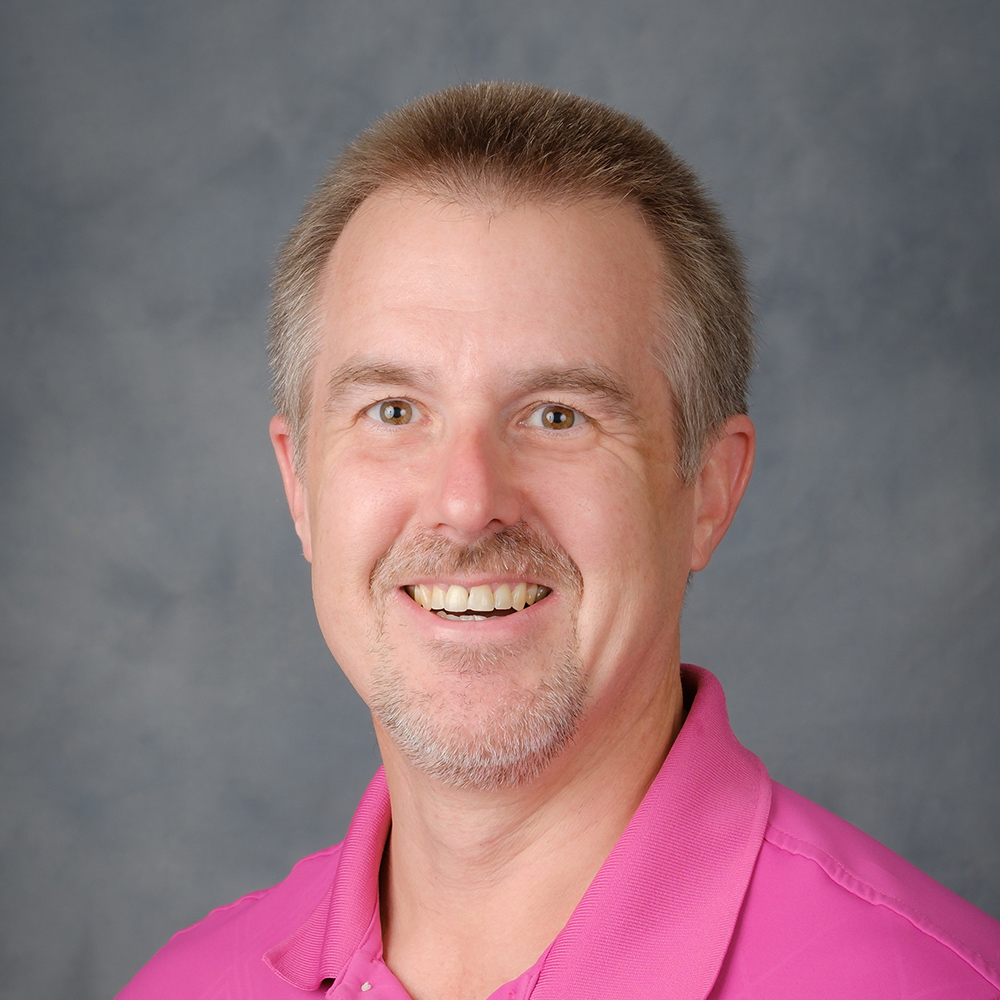
Greg Cook
Associate Professor of Physics and ZSR Foundation Fellow
Gravitation and Particle Physics
Theoretical and computational general relativity, gravitational waves produced by black-hole and neutron-star binaries, and high-accuracy modeling of black holes
304 Olin Physical Laboratory
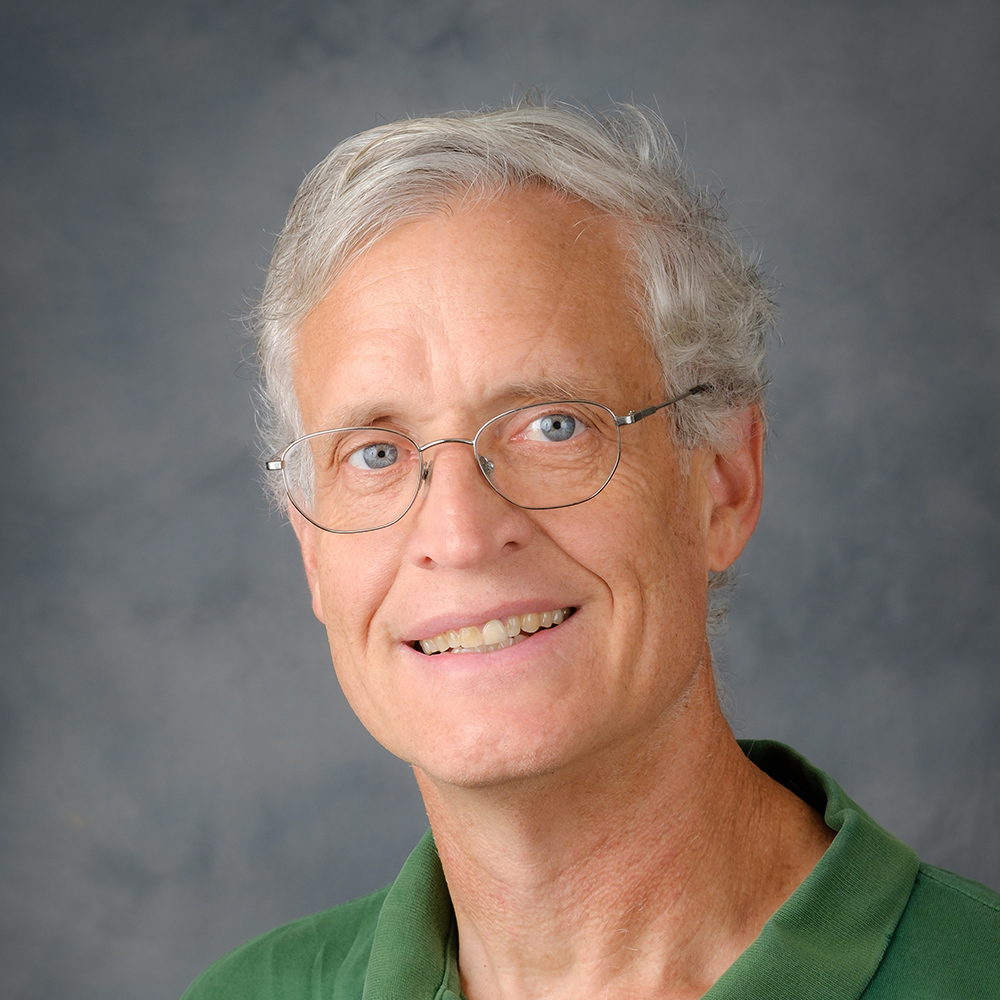
Eric D. Carlson
Associate Professor of Physics
Gravitation and Particle Physics
Particle physics and astrophysics
306 Olin Physical Laboratory