
Special and Interdisciplinary Programs
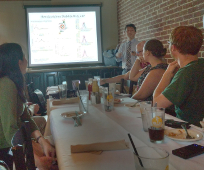
Structural and Computational Biophysics Track
SCB is designed to meet the need for next generation scientists and educators with broad, interdisciplinary training in the quantitative biological, biochemical, and biomedical sciences. Students who successfully complete the SCB Track and degree requirements will receive a certificate in Structural and Computational Biophysics, as well as the degree in the program in which they matriculate.
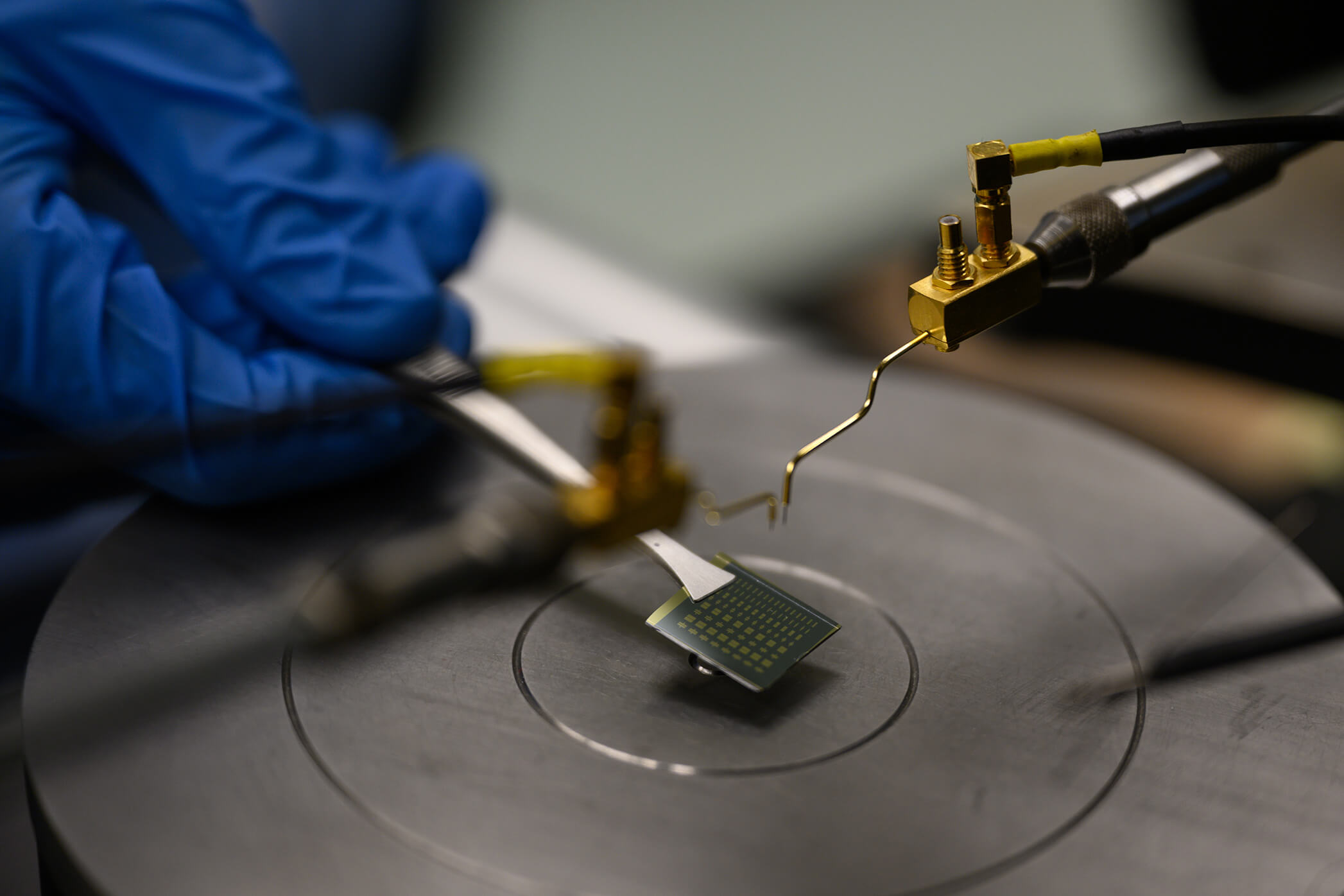
Center for Functional Materials
CFM provides a platform to connect a broad range of materials-focused research groups and to support the multidisciplinary research necessary for breakthrough developments. The center implements its mission via activities in research, education, and outreach.
Director: Prof. Timo Thonhauser, thonhauser@wfu.edu.
Center for Nanotechnology and Molecular Materials
The Center for Nanotechnology and Molecular Materials is the Wake Forest University research community’s support infrastructure for work in the nanosciences and materials sciences.
Director: Prof. David Carroll, carroldl@wfu.edu.
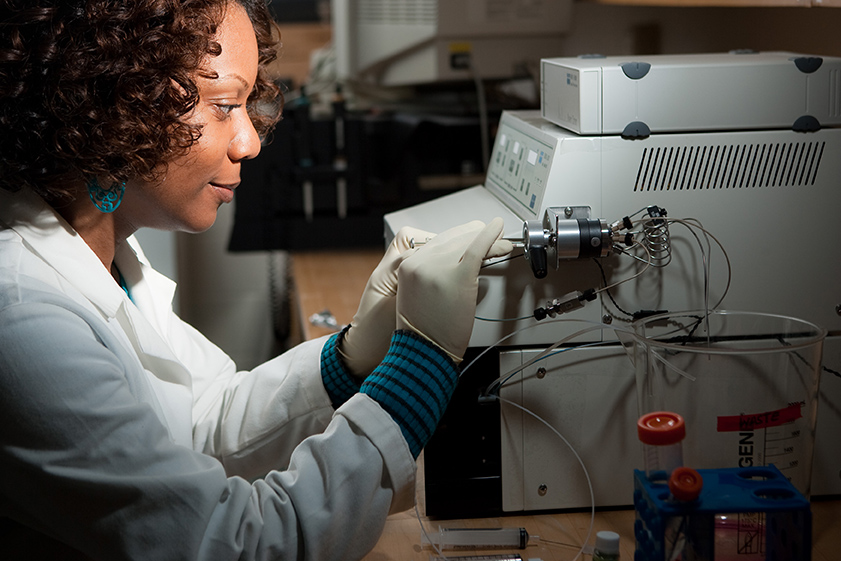
Translational Science Center
The goal of the Translational Science Center is to bring together faculty from the biochemical, physiological, psychological and behavioral disciplines to build internationally recognized research programs, and first-rate academic training programs, to improve functional health in aging.
Director: Prof. Kim-Shapiro, shapiro@wfu.edu.
Molecular Signaling Group
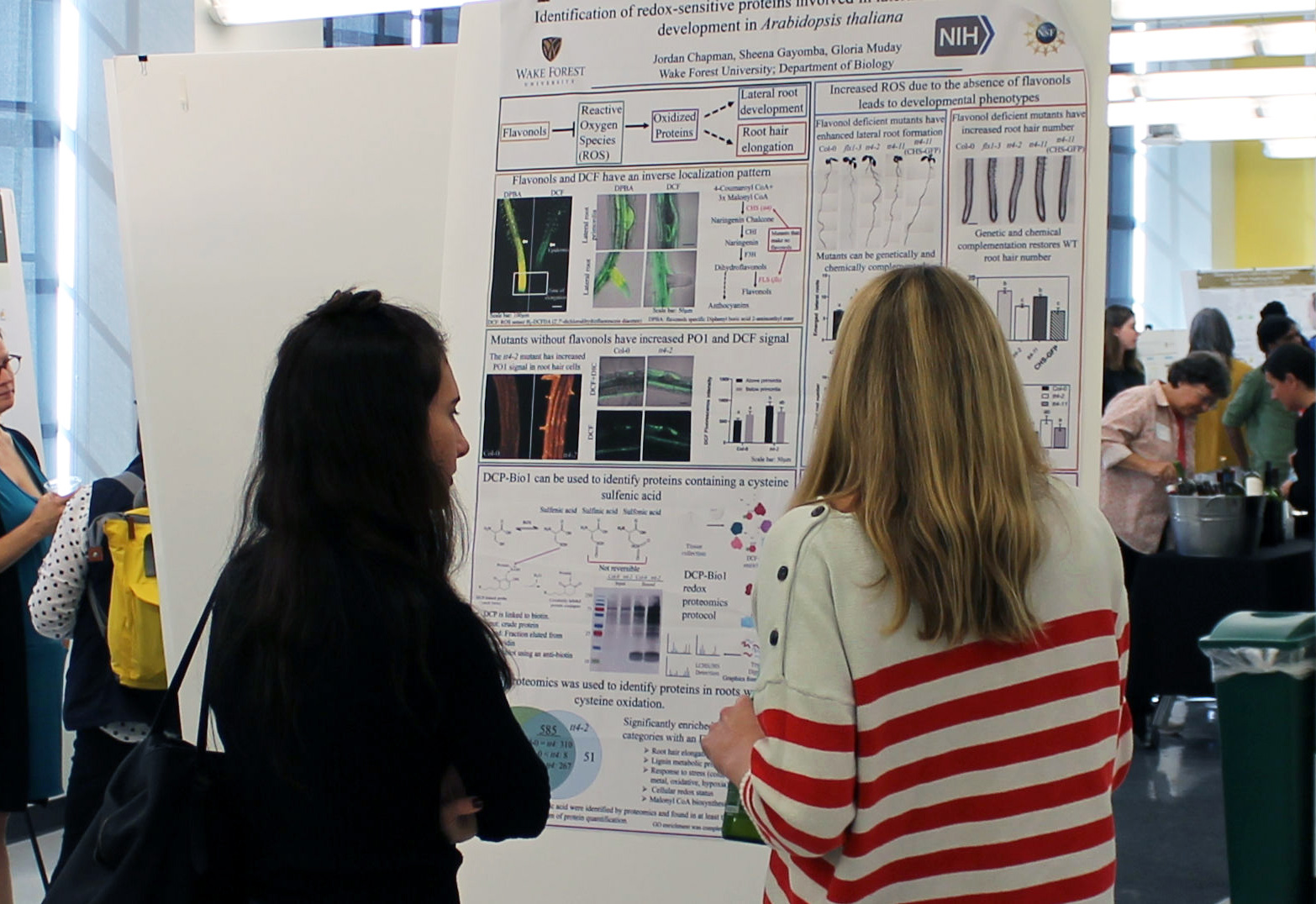
Several physics faculty conduct research in the general area of molecular signaling as part of a multi-disciplinary molecular signaling group. Areas of specific interest for physics faculty include intracellular communication, protein dynamics, and protein structure and regulation.
Center for Structural Biology
Several physics faculty, both experimental and computational, conduct research in the general area of structural biology and biophysics as part of a multi-disciplinary structural biology group. Areas of specific interest for physics faculty include protein dynamics, and protein structure and regulation.
Comprehensive Cancer Center
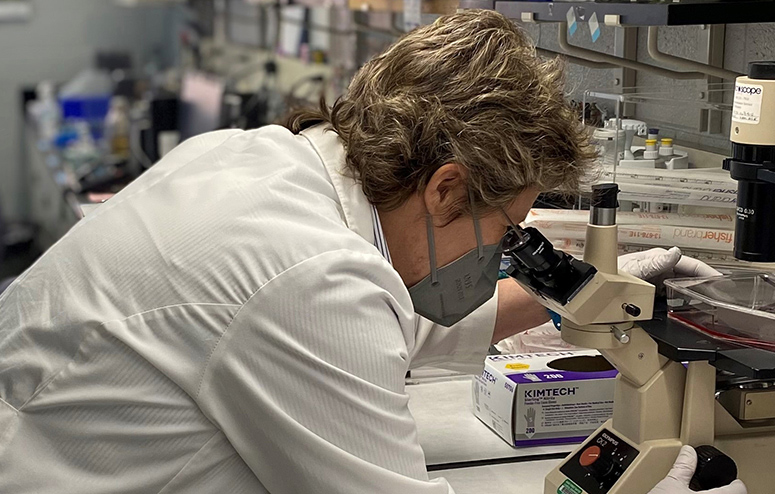
Several physics faculty conduct research in the general areas of cancer biology and therapeutic development as part of a multi-disciplinary cancer center. Areas of specific interest for physics faculty include cancer biology and drug discovery.

Center for Redox Biology and Medicine
Several physics faculty conduct research in redox biology and biophysics and their contributions to disease as part of a multi-disciplinary redox biology center . Physics students conducting research with the appropriate faculty mentors may be eligible for a T32 training grant fellowship.
Medical Physics
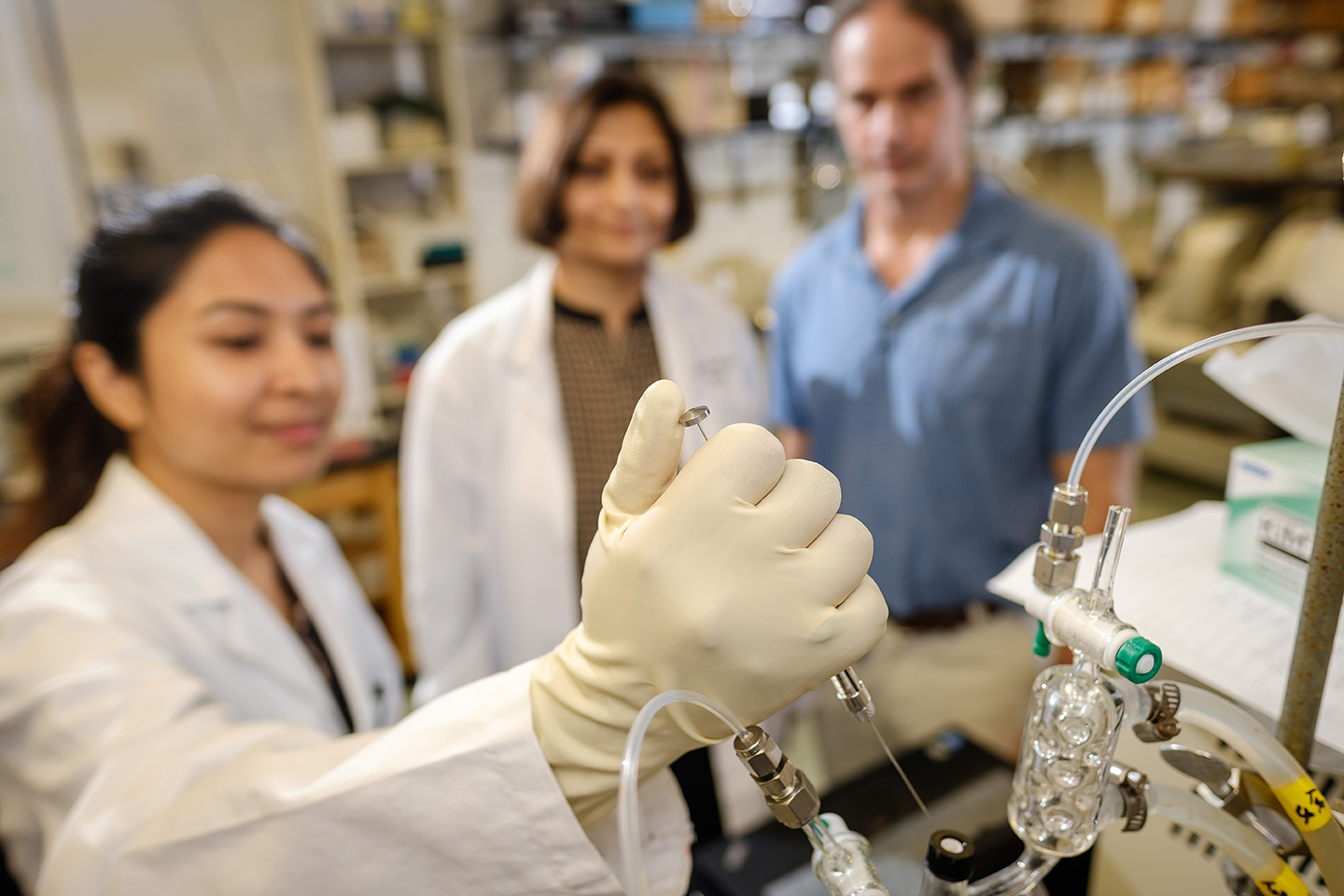
The Medical Physics Program at Wake Forest University is located at the Wake Forest Baptist Health campus in the Department of Radiation Oncology and can be done either through an inter-departmental program of graduate study leading to a Ph.D. degree in Physics, with a concentration in Medical Physics or through a new specific program in Medical Physics. Medical Physics is the study of the applications of physics in medicine. Historically, the field of medical physics has included diagnostic radiology physics, nuclear medicine physics, and radiation therapy physics. Faculty medical physicists in the Wake Forest School of Medicine are adjunct faculty in Physics and serve as teachers and research advisors for the Medical Physics Program. Additional information may be obtained by contacting Professor Dezarn.